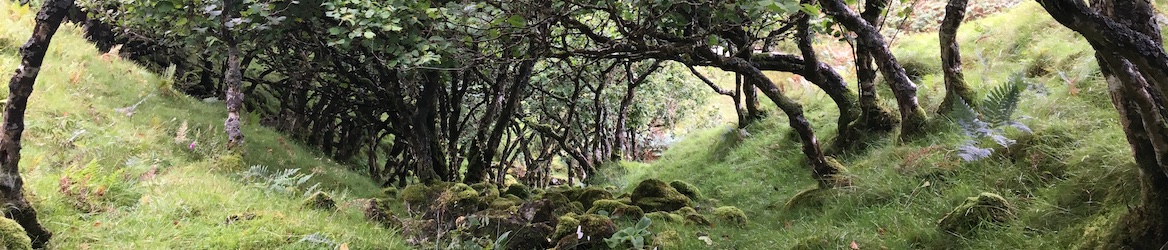

I chose the village green as this month’s place as a way to acknowledge the importance of communal gathering for our wellbeing. Village greens were/are communal spaces, open to all in the community. They used to allow for communal grazing of livestock and were the site of villages fêtes. In my mind, to be a true “village green,” the space has to be free, walkable from where you live, encourage and support gatherings for various lengths of time, allow for a variety of activities from work to celebration, and be conducive to both small and large communal gathering – not just individual use. There aren’t many places that fit that bill. Some spaces meet some of those needs but not all. Some people live far from any such space. Some must pay to access such spaces.
Communal spaces can be frustrating. You have to deal with other people after all. But you also can’t feel a sense of belonging without other people. With the rise of social media, many people are seeking belonging though “likes” which reinforce that belonging is achieved through agreement or perhaps admiration. True belonging has a lot more to do with acceptance, recognition, and reciprocity: the barista who remembers your drink, the exercise instructor who greets you by name, the neighbor who checks on your cats. You feel belonging when you are known and needed; when you feel as though someone would notice if you weren’t there. Belonging actually doesn’t require that we agree with one another, simply that we care for one another.
Here in the Pacific Northwest of the United States tomorrow is the Fall Equinox, and for us that means we are entering the final phase of the year’s harvest. Apples and pumpkins are ripening. The last of the tomatoes are being picked. Harvests used to be a time of communal celebration where we not only gather with other humans but felt reciprocity with the land and its abundance. Colonialization, oppression, slavery, genocide, privatization of land, and capitalism with its increasing concentration of wealth in the hands of a few, have limited everyone’s access to communal spaces. And with lack of time and space in which to gather, our muscle of seeking and creating belonging with one another can atrophy.
This new moon and equinox is an invitation to consider the places that are your village greens—how do they cultivate community?
One of my favorite scientists and philosophers, Andreas Weber, was interviewed on the Ten Percent Happierpodcast on Sept 29, 2021. He said:
“Psychologist Richard Fromm said “to love” means to take an active interest in the aliveness of another and if you see if from this standpoint then loving becomes not a consumption of a good feeling but it becomes the production of conditions which enable others to thrive…in our most fulfilling love relationships we do this…Ecosystem are systems with thousands of species…linked to one another in mutuality. They are mutually enabling [each other’s] lives. So that would mean you could describe ecosystems as love processes, not in the ways of hedonistic feelings, but in the way of a profound understanding of what is the practice of giving life.”
Being in community by the above definition is an act of love. We all know loving is not always easy or fun but it is essential to our wellbeing. What might change if we remember that to be in community is to contribute to others aliveness? This love may mean offering care for others who you don’t necessary like or agree with. If we expand our definition of love to this idea of taking an active interest in the aliveness of another—where are we loving beyond our circle of friends and family, including within our ecosystems? Where do we engage in “the practice of giving life”? Where might we want more of that?
Now is a great time to express gratitude for such spaces and to celebrate yourself for showing up. The new moon is a perfect time for setting intentions. One small goal you might set yourself is to introduce yourself to one new person (animals and plants included!) this week.